
Severance Pay in Arizona: Do I Have to Sign?
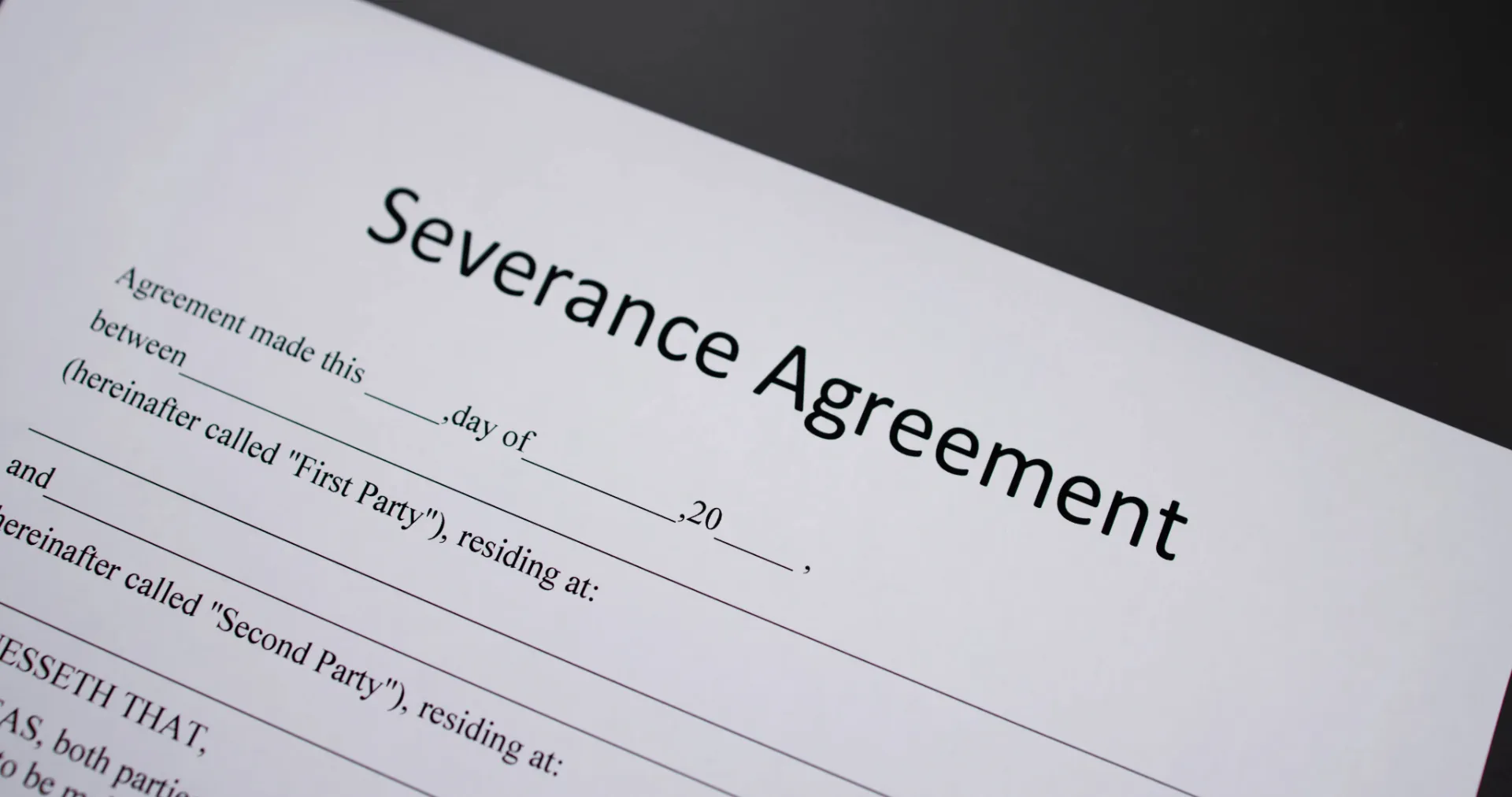
A job loss can feel abrupt. One day, you have a desk, a title, and a work rhythm. The next day, someone slides a packet across the table titled “Severance Pay.”
When faced with decisions regarding severance pay, the Arizona firm Shields Petitti & Zoldan, PLC, can provide assistance. Our goal is straightforward: ensure you understand the meaning of every paragraph before you sign. With nearly $25 million in verdicts and settlements and a reputation for precision inside the courtroom, we know how critical that decision can be.
What is the Law About Severance Pay in Arizona?
Unlike wages owed for hours worked, severance pay in Arizona is not required by statute. Employers offer it voluntarily, usually to limit risk, secure releases of liability, or encourage discretion about company matters.
Arizona labor laws govern earned wages, but not severance pay. That voluntary nature gives employers broad freedom in what they include, such as lump-sum payments, health-insurance extensions, or career-placement assistance. It also means employers may condition payment on your signature. The exchange typically consists of a release of claims, including waiving the right to sue for discrimination, retaliation, or wage violations under federal or state law. When employers link money to confidentiality or surrender of rights, careful legal review is essential.
What Does an Arizona Severance Agreement Really Cover?
An Arizona severance agreement is a contract, and contracts are binding. Signing without review can close doors you did not know existed. Typical clauses address:
- Release of claims under Title VII, the Age Discrimination in Employment Act, the Arizona Civil Rights Act, and other statutes;
- Confidentiality and non-disparagement provisions that limit what you can say about your employment or separation;
- Non-compete or non-solicitation restrictions that may hinder future work; and
- Repayment or clawback terms if you breach any promise in the agreement.
Under the Older Workers Benefit Protection Act, employees aged 40 and older must receive specific disclosures and have at least 21 days to consider an agreement that waives age-discrimination claims, or at least 45 days in the case of a group layoff. They must also receive a seven-day revocation period after signing. Employers who rush or misstate terms risk invalidating their own release.
Do I Have to Sign a Severance Agreement in Arizona?
The short answer is no. You do not have to sign. However, whether you should depends entirely on the terms. If an employer insists on immediate acceptance, that pressure is a signal to slow down. A fair severance package should reflect your years of service, pay rate, and any leverage you may hold, such as unresolved complaints or potential claims.
Employees often believe that refusing to sign results in the forfeiture of all payment. In truth, you retain the right to challenge unlawful practices regardless of the offer. The U.S. Equal Employment Opportunity Commission recognizes that even signed releases cannot waive future claims or limit participation in EEOC investigations.
Before deciding, evaluate three things:
- What you gain—the total compensation and benefits offered;
- What you give up—legal claims, confidentiality, or future job options; and
- The leverage you hold—for example, possible violations that may increase settlement value.
That analysis transforms a reactive signature into an informed decision. A brief consultation with experienced counsel can also reveal negotiation opportunities that may not be apparent on first reading.
How Does a Severance Package Protect or Harm Me?
A severance package in Arizona can serve as either protection or a pitfall. For executives, it may preserve reputation and financial stability during transition. For others, it can conceal unequal treatment or discrimination. The wording often dictates whether you may discuss workplace issues in the future or must remain silent.
Employers draft these agreements with counsel. Employees deserve the same level of review and consideration. When the balance favors one side, attorneys can negotiate higher compensation, strike unfair restrictions, or clarify vague obligations. Sometimes, a single revision can change the outcome entirely. In time-sensitive situations, prompt engagement can preserve your bargaining power.
Questions About Your Severance Package? Arizona Firm Petitti & Zoldan, PLC Can Guide You
At Shields Petitti & Zoldan, we approach every Arizona severance agreement with the precision of trial lawyers. We identify buried clauses, assess exposure, and, when needed, leverage litigation experience to secure fairer terms. We offer:
- A proven record—nearly $25 million in verdicts and settlements;
- Depth of experience—more than 50 years of combined trial practice;
- Respected reputation—featured on NBC News, Fox News, Phoenix New Times, and AZ Central; and
- Recognized excellence—Super Lawyer and Rising Stars honors, and an AV-Preeminent rating.
We thrive in courtrooms, but our strength lies equally in preventing clients from ever needing to go there. That dual focus on trial readiness and risk reduction helps protect both your immediate interests and your future opportunities.
Contact Us Today
If a company has offered you a severance package, pause before signing. Read every sentence, note every promise, and seek independent legal interpretation. Then contact Shields Petitti & Zoldan, PLC. Because what seems like a clean break may include lifelong obligations. Our attorneys can review your severance agreement, explain precisely what rights you waive, and, when appropriate, negotiate stronger terms on your behalf.
